

The Complete Guide to Handgun Ammo: Types, Ballistics, and Buying Advice
A single .45 ACP round can carry over 400 foot-pounds of energy, enough to knock a man off his feet if it hits center mass. Handgun ammo works by igniting gunpowder behind a seated bullet, which then spins through rifling for stable, accurate flight. Choose the right grain weight for your barrel length to balance recoil, penetration, and expansion, and you’ll get reliable stops with every trigger press.

Matching Your Firearm to the Right Cartridge
Matching your handgun to the right cartridge starts with the stamp on the barrel—never trust the gun shop guy’s “close enough” advice. A .40 S&W round will not fit a 9mm chamber, but a 9mm can slip into a .40 gun and blow up in your hand, so check headstamps every time you load. Your firearm’s frame and slide are engineered for specific pressure curves, and swapping calibers without a conversion kit is a reckless gamble. Revolvers are a bit more forgiving with moon clips, but semi-autos demand exact rim diameter and OAL to feed reliably. 6.5 PRC Ammo for Sale Just because a round chambers doesn’t mean it cycles your action correctly, especially with lighter or hotter loads. Stick to the manual’s listed cartridges, and if you want to change power level, pick a different load of the same caliber—not a different cartridge.
Why Caliber and Chambering Must Align Perfectly

Firing a cartridge whose caliber does not precisely match the handgun’s chambering is a critical safety failure, as the cartridge-to-chamber fit dictates peak pressure containment. A cartridge too small for the chamber allows the case to stretch or rupture on ignition, venting hot gas toward the shooter’s face and hands. Conversely, forcing a cartridge too large specialty sports for the chamber prevents the slide from fully closing or the cylinder from rotating, creating an obstruction that can detonate the frame. Always verify the stamp on the barrel or slide against the box’s headstamp before loading. This alignment also ensures reliable headspacing, which controls primer strike depth and consistent ignition. For any handgun, the sequence is: inspect the chamber marking, match it to the cartridge base, then test with one round before loading a full magazine.
Understanding Bullet Weights and Their Impact on Recoil
Heavier bullets in a given caliber often produce a sharper, more pronounced recoil impulse because they require higher gas pressure to achieve velocity. Lighter projectiles, by contrast, tend to snap faster but generate a flatter, less punishing push. This trade-off directly affects follow-up shot speed, making bullet weight selection crucial for recoil management in defensive handguns. For example, a 115-grain 9mm load feels snappier than a 147-grain subsonic round, which rolls rather than kicks. Your grip strength and firearm mass also interact with these forces—a steel-frame pistol tames heavy bullets better than a polymer frame. Matching weight to your recoil tolerance ensures faster target reacquisition and tighter shot groups under stress.
Understanding bullet weights means balancing muzzle energy against perceived recoil: heavier grains hit harder but slow your return, while lighter grains cycle quickly but may sacrifice terminal performance.
Full Metal Jacket vs. Hollow Point: Which Round Does What
Choosing between Full Metal Jacket vs. Hollow Point boils down to what the bullet does on impact. An FMJ’s copper shell encases the lead core, letting it punch straight through a target without expanding—ideal for range drills and barrier penetration, but it risks over-penetration in a home-defense scenario. A hollow point features a cavity that petals open upon striking soft tissue, dumping energy rapidly and stopping inside the threat. That expansion creates a larger wound channel while drastically reducing the chance of hitting someone behind the target. For carry or defense, hollow points are the clear choice; for practice and cost efficiency, FMJ keeps your wallet happy.
FMJ penetrates deep without expansion; hollow points expand on impact, maximizing stopping power and minimizing collateral risk.
Choosing Between Stopping Power and Shootability
When selecting handgun ammo, the tension between stopping power and shootability defines your effectiveness in a defensive scenario. A heavy, fast round like .45 ACP delivers deep penetration and massive tissue disruption, but its sharp recoil often yanks your sights off target, slowing follow-up shots. Conversely, a lighter 9mm load is flatter-shooting and lets you rip rapid, accurate strings, yet you may feel under-gunned if the bullet fails to reach vital structures through heavy clothing. The practical answer lies in matching the cartridge to your grip strength and training hours. If you can maintain a two-inch group at seven yards under stress, prioritize shootability vs stopping power by choosing a mid-weight JHP that balances velocity with manageable snap. A hit with a 124-grain +P beats a miss with a 230-grain hardcast every time. Trust your ability to place shots over chasing raw muzzle energy.
How Expansion and Penetration Affect Self-Defense Performance
Expansion and penetration define whether a defensive round neutralizes a threat efficiently. Optimal ballistic performance balances bullet expansion to create a larger wound cavity while retaining sufficient penetration to reach vital organs. If expansion occurs too early or too aggressively, depth suffers, leaving shallow wounds that fail to disable an aggressor. Conversely, over-penetration without expansion produces a narrow channel that may pass through tissue without disrupting critical structures, while also risking collateral damage. For self-defense, the FBI’s practical benchmark—12 to 18 inches of gel penetration with reliable expansion—serves as a baseline. A round that expands to roughly 1.5 times its original diameter while meeting that depth offers the most consistent incapacitation, because tissue disruption and hemorrhage depend equally on both variables.
Finding the Sweet Spot Between Velocity and Felt Recoil
Balancing velocity against felt recoil requires matching the load to your grip strength and follow-through technique. A lighter, faster round may produce a sharp snap that torques the muzzle, while a heavier, slower projectile delivers a push you can track through the optic. The practical sweet spot emerges when your sight returns to the target before your next trigger press—typically found by testing 124–147 grain loads at 1,000–1,150 fps in a 9mm. Recoil impulse timing matters more than peak force; a gradual push feels softer than a sudden spike. Q: How do I identify my optimal velocity-recoil balance? Fire three loads side-by-side, timing your split between shots on a timer—the load yielding the tightest group with consistent 0.30-second splits wins.
When to Choose a Lighter Grain Over a Heavier Projectile

Choose a lighter grain when recoil management directly threatens your follow-up shot speed, especially in compact handguns where muzzle flip is amplified. A lighter grain for faster target reacquisition also wins when shooting steel targets or competing in action sports, where splits matter more than raw penetration. For shooters with weaker grip strength, or when practicing high-volume drills, the reduced snap prevents flinching and preserves accuracy. Finally, in hot weather with light clothing, a lighter, faster projectile expands reliably without over-penetrating, making it ideal for personal defense in crowded environments. If your gun cycles reliably and your shots stay on target, the lighter load is the practical choice.
Maximizing Accuracy at the Range and Beyond
Choosing the right handgun ammo is the first step toward shrinking your groups, but consistency at the range comes from how that ammo interacts with your grip and sight picture. I’ve found that a flat-base wadcutter or a quality jacketed hollow point with a crimped case mouth feeds reliably and keeps the bullet’s axis true to the bore, which translates into less vertical stringing downrange. Beyond the bench, that same predictability matters when you transition to steel or timed drills, because your point of impact stays locked if you stick to one lot number. One quick test: shoot five rounds from a sandbag at 15 yards—if the group doubles when you stand, it’s your trigger, not the ammo. Q: How do you verify your ammo’s accuracy beyond paper? A: Shoot the same box in a cold barrel, then a hot one; if your zero wanders, the load’s velocity spread is too wide for field confidence.
How Rim Shape and Case Type Influence Reloading Ease
Rim shape dictates how smoothly your reloads feed, as rim profile and case type directly govern reloading ease. A semi-rimmed or rimless case, like the 9mm Luger, headspaces on the case mouth, allowing a crisp, reliable chambering from a magazine. Conversely, a fully rimmed case, such as the .38 Special, headspaces on the rim itself, which can snag on feed ramps if the extractor groove isn’t deep enough. Case type also matters: tapered cases eject more forcefully, while straight-walled cases are easier to resize in a press. Your brass’s rim thickness variation is the most overlooked variable that turns a smooth press stroke into a stuck case ordeal. Pay attention to both, and your reloading workflow will feel drastically less frustrating.
Grouping Consistency: Why Some Loads Outperform Others
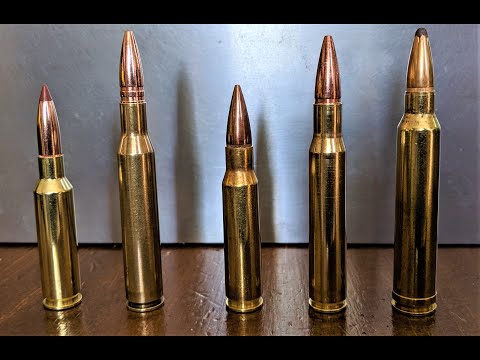
Grouping consistency comes down to how tightly a load holds its shape, powder charge, and bullet weight from shot to shot. Some handgun loads outperform others because they use flash-suppressed powder that burns uniformly, so pressure spikes stay predictable and the slide cycles at the same speed every time. Match-grade bullets with tight diameter tolerances also grip the rifling evenly, reducing yaw. Loads with consistent case neck tension keep bullet seating depth identical, which directly affects jump into the lands and thus group size. For practical accuracy, test a few boxes of the same load—if your five-shot groups shrink under an inch at 15 yards while others open to two, that’s the load’s internal consistency paying off.
Managing Muzzle Flip With Proper Ammunition Selection
Managing muzzle flip with proper ammunition selection starts with matching bullet weight to your handgun’s recoil spring. Heavier projectiles, such as 147-grain 9mm loads, produce a slower, more sustained push that lets the front sight track back down predictably, whereas lighter 115-grain rounds snap harder and lift the muzzle more violently. Choose a low-flash, high-mass defensive load to tame vertical displacement during rapid fire. Additionally, reduced-velocity “training” loads or +P variants with slower burn rates cut peak impulse, shortening sight recovery time. Test two or three brands side-by-side on a shot timer; if your split times drop without losing sight picture, you have the right recipe.
Q: Does heavier grain always reduce muzzle flip?
A: Not universally—it depends on your gun’s spring rate and barrel length, but in most compact handguns, heavier bullets at standard pressure yield a flatter, more controllable recoil arc than lightweight high-velocity rounds.
Practical Considerations for Storage and Carry
For handgun ammo, storage and carry hinge on shielding primers and powder from impact and moisture. Keep rounds in their original factory trays inside a sealed ammo can with desiccant packs to prevent corrosion that causes feed failures. For concealed carry, a dedicated magazine pouch or pocket organizer prevents rounds from shifting against keys or coins, which can deform bullet noses and cause setbacks. Rotate carry ammo every six months—chamber pressure from repeated rechambering can seat bullets deeper, raising pressure spikes. Never store loose rounds loose in a bag, as jostling degrades case mouths. Q: Why does sweat corrode carry ammo faster? A: Salts and humidity eat brass and nickle plating, so wipe carried rounds weekly and swap them with fresh stock seasonally.
Primer Types and Their Reliability in Different Conditions

Primer selection directly dictates ignition reliability under environmental stress, a critical factor for stored or carried handgun ammunition. Boxer primers, standard in most brass cases, offer consistent performance in moderate climates but are vulnerable to moisture ingress if the primer pocket seal is compromised. In contrast, Berdan primers, while less common, can exhibit superior resistance to shock and vibration in rough carry conditions due to their anvil design. For concealed carry, 6.5 Creedmoor Ammo for Sale hardened or nickel-plated primers resist deformation and misfires during repeated chambering. *Moisture, not age, is the primary killer of primer reliability, so inspect for corrosion or cratering after humid storage.* The following comparison highlights practical distinctions:

| Condition | Boxer (Standard) | Berdan (Military Surplus) |
|---|---|---|
| Humid storage | Sealant required | Better inherent seal |
| Repeated chambering | Risk Rifle Ammo for Sale of primer setback | More stable base |
| Cold weather (-20°F) | Slower strike response | Consistent Rimfire Ammo for Sale flash |
For pocket carry, choose sealed primed rounds; for dry environmental extremes, prioritize rifle-grade hard primers. Always test your chosen batch after prolonged storage.
How Ammunition Longevity Holds Up in a Mag or Cylinder
Ammunition seated in a magazine or cylinder generally endures for years, but longevity hinges on **spring pressure and environmental isolation**. Constant compression can eventually fatigue magazine followers, yet the cartridge itself suffers more from humidity and temperature swings. Primer sealants and case lacquer resist moisture, but repeated chambering and ejection—common in carry guns—can set back bullets or deform case mouths, compromising reliable feeding and ballistic consistency. Cylinder-stored rounds face less mechanical stress but are exposed to more air circulation, accelerating corrosion on uncoated brass. Rotate carry ammo every 6–12 months to counter degradation, and inspect for bullet setback or primer flattening.
- Bullet setback from repeated chambering reduces pressure and can cause feed failures.
- Saliva and sweat on carry rounds accelerate case and primer corrosion.
- Cylinder gaps allow moisture ingress, favoring nickel-plated cases over bare brass.
- Ambient temperature swings cause condensation that degrades powder burn rates.
Assessing Corrosion Resistance for Daily Carry Loads
Assessing corrosion resistance for daily carry loads means scrutinizing the primer pocket and case mouth, where sweat and humidity first attack. A quick monthly visual check for verdigris or freckling on your carry ammunition is non-negotiable, as even micro-pitting can impede reliable ignition. Rotating your stock every three months prevents the subtle degradation that constant body heat accelerates. Choose nickel-plated cases or sealed primers for EDC, as they shrug off the chlorides in perspiration far better than bare brass. Remember that a visually pristine round can still have compromised primer sealant after a summer in an appendix holster. If your carry rounds fail the wipe test—leaving a dark residue on a white cloth—retire them to practice immediately.
Budgeting and Buying the Right Amount of Rounds
Mastering budgeting for handgun ammo starts with calculating your true weekly or monthly round count, not just hoarding on impulse. For most pistol shooters, buying the right amount of rounds means splitting your budget into three buckets: 60% for practice range ammo, 30% for defensive hollow points, and 10% for malfunction drills. Track your average rounds fired per session—if you shoot 150 rounds weekly, a case of 1,000 covers roughly six sessions, making bulk buying efficient without overstocking. Avoid the trap of buying only cheap FMJ; you need enough quality defensive rounds to run reliability checks through your magazine and barrel. Set a hard cap: never exceed storage space or cash flow for a single caliber, and rotate stock to prevent Handgun Ammo for Sale primer degradation. This disciplined approach keeps your handgun fed, your wallet intact, and your training consistent—without wasted inventory or dry-range surprises.
Training vs. Premium Loads: Where to Skimp and Where to Invest
For range time, skimp on bulk FMJ—it’s the best way to build muscle memory without Ammunition for Sale burning cash. But when it comes to carry or home-defense ammo, invest in premium defensive loads after you’ve verified they feed and group reliably in your gun. The smart sequence: first, run a few boxes of quality JHPs to confirm function; second, practice draws and recoil management with cheap ball ammo; third, shoot a small batch of your chosen carry load to stay familiar with its point of impact. Skimp on quantity, not on the rounds that might save your life.
Understanding Box Counts and Bulk Purchasing Benefits
Understanding box counts is the first step to smart buying. Handgun ammo typically comes in boxes of 20 or 50, and knowing your typical range session length helps you figure out exactly how many boxes you’ll go through. Bulk purchasing benefits become obvious when you calculate 7mm WSM Ammo for Sale the per-round cost—a 500-round case often cuts the price by 10–20% compared to individual boxes. Buying in bulk also reduces the number of trips to the store, which saves time and gas. *However, it’s wise to test a small box first to ensure your gun cycles that specific load reliably before committing to a large case.*
**Q: How do I know if bulk buying is right for my handgun ammo needs?**
A: Add up your average weekly rounds (e.g., 100), multiply by four—if that’s 400 or more, a 500-round bulk order makes sense to 7mm-08 Ammo for Sale keep you stocked without overspending on unused inventory.
Testing Multiple Brands to Find Your Pistol’s Favorite Diet
Your pistol is an individual with preferences, and assuming every factory load will feed and function Shotgun Ammo for Sale flawlessly is a costly mistake. Before committing to a bulk purchase, buy a box of three to five reputable brands—including your duty or self-defense round—and run a mixed test session. Pay attention to how each brand cycles slides, locks back on empty, and, critically, where your groups land on paper. One brand may group tightly while another patterns loosely, and your pistol will reliably prove this to you. Once you identify its clear favorite, calculate your approximate annual round count and then buy that specific winner in quantity. This process of finding your pistol’s preferred ammunition saves you from wasting hundreds of rounds on brands that jam or shoot inaccurately, ensuring your budget goes toward the diet it truly thrives on.
 English
  French